

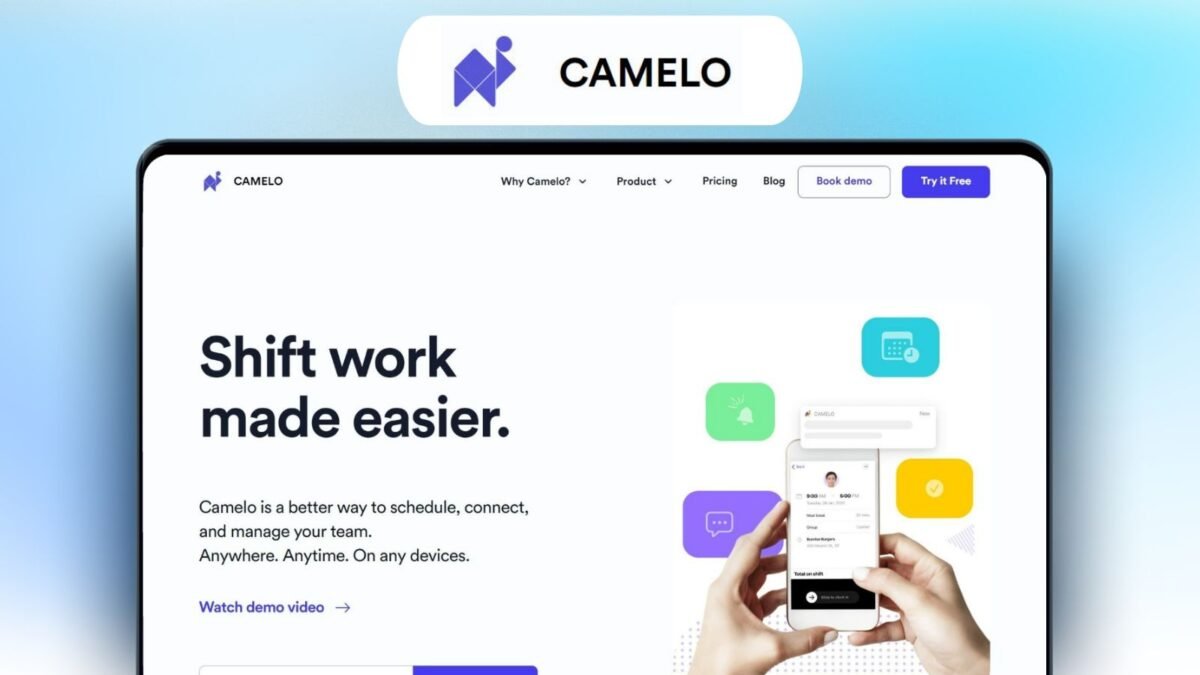
Choosing between a lifetime deal and a subscription model can be tough. This is especially true for tools like Camelo, which help manage work schedules and team communication.
In this post, we will compare the Camelo lifetime deal with its subscription option. Understanding the differences can help you make a better decision for your business needs. A lifetime deal often means a one-time payment for long-term access. On the other hand, subscriptions usually require ongoing fees but may offer updates and support. Both options have their advantages and drawbacks. Knowing these can guide you to the right choice. Let’s dive deeper into each option and explore what Camelo offers. For more details, check out the Camelo Lifetime Deal.
Credit: medium.com
Introduction To Camelo: A New Approach To Project Management
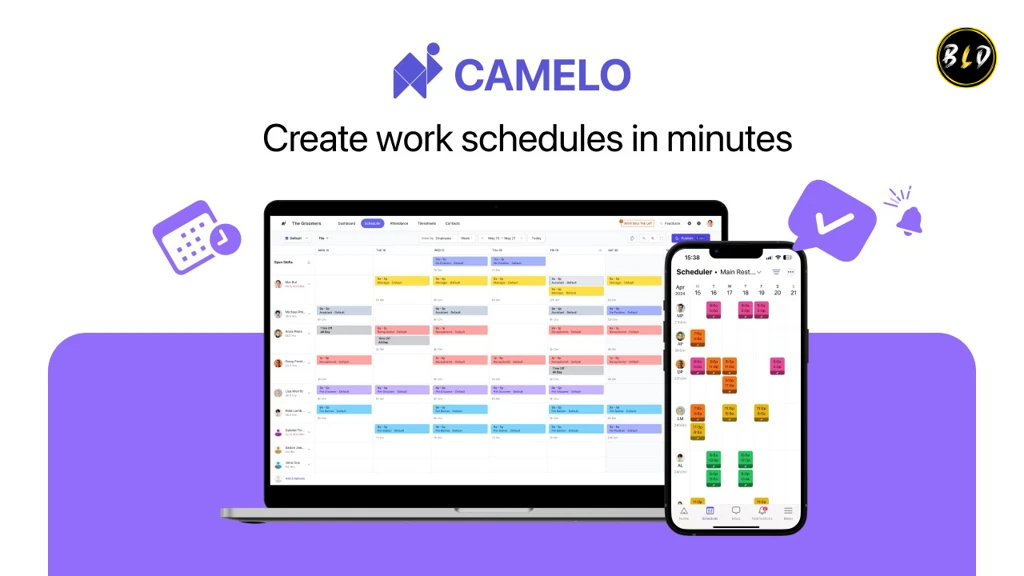
Camelo is a new tool for managing projects. It helps teams create work schedules easily. Camelo also tracks time and attendance. Communication between team members is simple with its messaging feature. It aims to make work life easier.
The software market has seen many lifetime deals. These deals offer one-time payment options. Users can save money without monthly fees. Many people prefer lifetime deals for their simplicity. Camelo’s pricing includes different plans for various team sizes. Each plan offers lifetime access and useful features.
Features like task management and time tracking enhance productivity. Camelo works on any device. It is also GDPR-compliant, ensuring data safety. With Camelo, managing shifts and tasks is efficient and clear.

Credit: www.linkedin.com
The Allure Of The Lifetime Deal: What Camelo Offers
The Camelo Lifetime Deal is a great offer for many. It provides users with lifetime access to powerful features. This means no need for monthly payments.
Camelo helps with employee scheduling and time tracking. It makes communication easier through its team messaging feature. Many enjoy the flexibility of using it on any device.
Businesses like lifetime deals. They save money in the long run. No recurring costs mean better budget planning. Also, teams can focus on their work, not payments.
| Plan | Price | Users |
|---|---|---|
| Plan 1 | $29 | Up to 5 |
| Plan 2 | $58 | Up to 15 |
| Plan 3 | $87 | Up to 25 |
With a 60-day money-back guarantee, users can try Camelo risk-free. This makes it an even more attractive choice.
Camelo Subscription Model: A Traditional Saas Approach
The subscription model for Camelo offers a familiar approach. Users can choose a monthly or annual payment plan. This flexibility helps teams manage budgets better. Monthly payments allow for lower upfront costs. Annual payments can often lead to savings over time.
Camelo’s subscription includes key features. Employee scheduling makes it easy to create work shifts. Team messaging helps keep everyone informed. Time and attendance tracking ensures accurate records.
Users also benefit from task management and timesheet tracking. Integrations with payroll systems are available. This makes payroll processing smoother. Overall, the subscription model suits many team needs.
Key Features And Unique Selling Points Of Camelo
Camelo offers many unique features. It helps create work schedules easily. Employee scheduling saves time and boosts productivity. Team messaging allows quick communication. Send announcements to all team members.
Time and attendance tracking is simple. It turns any phone into a time clock. Location capture and biometric recognition ensure accuracy. Task management is also effective. Assign tasks and get notifications when done.
Export timesheets for payroll processing. Integrations with payroll systems make it seamless. The platform is also GDPR-compliant. This means data protection is a priority. Camelo stands out by simplifying shift work management.
It enhances team communication and automates tasks. This helps teams work better together. Multiple locations can be managed with ease. Camelo truly fits various user needs.
Pricing Breakdown: Lifetime Deal Vs. Subscription
Camelo offers two pricing options: a lifetime deal and a subscription. The lifetime deal is a one-time payment. It provides access for a set number of users. This is a great option for those who want to avoid monthly fees.
On the other hand, the subscription model charges a monthly or yearly fee. This can add up over time. Users may find it costs more than the lifetime deal in the long run.
For example, the lifetime deal starts at $29 for 5 users. Meanwhile, subscriptions often require ongoing payments. Users must consider how long they plan to use Camelo.
In short, the lifetime deal may be more cost-effective. It offers savings for long-term users. Subscription plans could be better for short-term needs.
Pros And Cons Of Camelo Lifetime Deal
Camelo’s lifetime deal has many benefits. It allows for a one-time payment. This can save money in the long run. Users do not worry about monthly fees. It offers lifetime access for a fixed cost. Teams can use it for better scheduling.
Some risks exist with this deal. The product may not always update. Users might miss new features in the future. If the company closes, access could end. Support may also be limited over time. Users should think carefully before buying.
Pros And Cons Of Camelo Subscription
Using a Camelo subscription has many benefits. Ongoing support keeps your team on track. Regular updates improve features over time. You get the latest tools for effective scheduling.
Subscription fees can add up. Consider the cumulative cost over time. A lifetime deal may save money in the long run. You pay once and enjoy endless access. This avoids monthly fees.
| Aspect | Subscription | Lifetime Deal |
|---|---|---|
| Cost | Monthly fees add up | One-time payment |
| Support | Ongoing support included | Limited support |
| Updates | Regular updates | Updates may vary |
Real-world Usage: Customer Experiences With Camelo
Many users share their thoughts on the Camelo Lifetime Deal. They love the one-time payment. It feels great to avoid monthly fees. Users find the employee scheduling feature easy to use. They can quickly create and share schedules. Team messaging is also a big hit. It makes communication clear and fast.
On the other hand, the subscription service offers updates. Some users prefer this for ongoing support. They appreciate the regular feature improvements. Customers enjoy the flexibility of the subscription. It suits different team sizes well. However, some find the monthly cost adds up over time.
Making The Smart Choice: Which Model Suits You Best?
Choosing between Camelo’s Lifetime Deal and a subscription depends on your needs. Assess your business size and budget first. A lifetime deal offers one-time payment for long-term use. This is good for small teams. A subscription may suit larger teams with growing needs.
For small businesses, the 1 Code plan at $29 is ideal. It covers up to 5 users. This plan offers all key features. For medium teams, the 2 Codes plan at $58 allows 15 users. The 3 Codes plan at $87 suits larger groups of up to 25 users.
Consider the 60-day money-back guarantee. It allows you to test Camelo risk-free. Choose the model that fits your team’s size and budget best.

Credit: www.youtube.com
Conclusion: The Future Of Software Purchasing Models
The choice between lifetime deals and subscriptions affects many buyers. Each option has its own advantages and disadvantages. A lifetime deal offers one-time payment. Users enjoy long-term access without ongoing fees. It suits those who want to save money over time.
On the other hand, subscriptions usually come with regular updates. Users pay a fee every month or year. This model can be appealing for those who want the latest features. Camelo offers both options. Buyers must think about their needs.
As software evolves, buyers may favor flexibility and affordability. Subscriptions might become more popular, especially among new businesses. A trend toward cloud-based solutions suggests users want regular support and upgrades.
Understanding these choices helps users decide the best fit for their teams.
Frequently Asked Questions
What Is The Camelo Lifetime Deal?
The Camelo Lifetime Deal offers users a one-time payment option for access to all features indefinitely. This deal is perfect for those who prefer not to commit to recurring charges. It’s an excellent choice for long-term users looking to maximize their investment in the platform.
How Does The Subscription Model Work For Camelo?
The subscription model for Camelo requires users to pay a recurring fee, typically monthly or annually. This model provides ongoing access to updates and new features. It’s ideal for users who want flexibility and the latest tools without a large upfront cost.
What Are The Benefits Of The Lifetime Deal?
The Lifetime Deal provides significant cost savings over time, eliminating the need for recurring payments. Users enjoy uninterrupted access to all features without worrying about future price hikes. This option is particularly appealing for businesses that plan to use Camelo for the long haul.
Are There Any Drawbacks To The Lifetime Deal?
One potential drawback of the Lifetime Deal is the initial cost, which might be higher than a subscription. Additionally, users may miss out on potential new features that are prioritized for subscribers. It’s important to assess your long-term needs before deciding.
Conclusion
Choosing between the Camelo lifetime deal and a subscription plan depends on your needs. The lifetime deal offers long-term savings and access for multiple users. It simplifies scheduling, time tracking, and team communication. A subscription may provide flexibility but could add ongoing costs. Evaluate your team’s size and requirements before deciding. If you’re ready to enhance your work management, consider the Camelo lifetime deal. For more details, visit Camelo on AppSumo. Make a choice that fits your business best.
